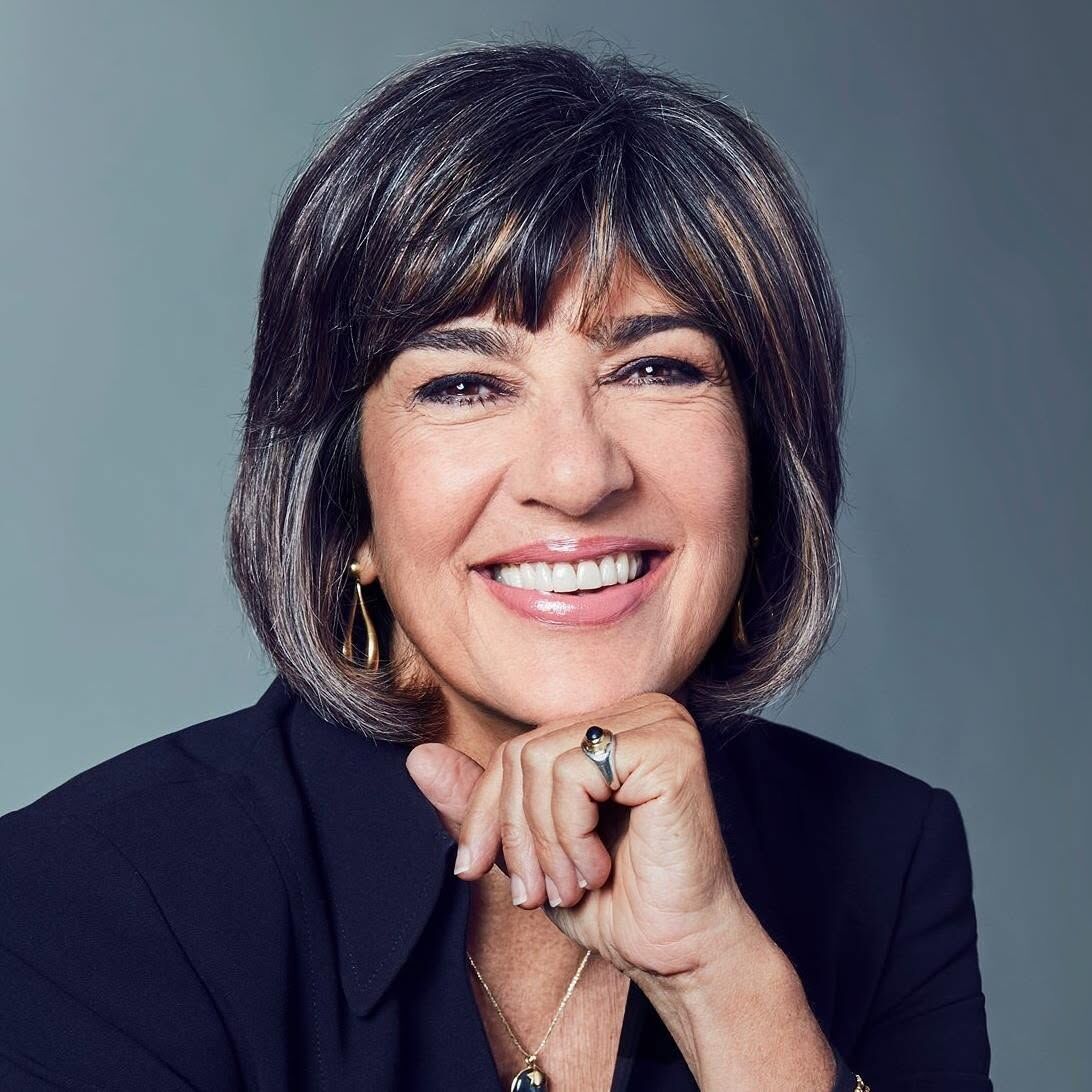
The decision by Christiane Amanpour, CNN’s chief anchor for international programming, to leave the network has reignited discussions in the US media about the future of journalism in the face of changing ownership structures and political pressure. The accounts of Arwa Damon, a former CNN International correspondent; Claire Day, the former London bureau chief for CBS; and Kareem Fahim, the former Turkey bureau chief for The Washington Post, illustrate how editorial independence, on-the-ground journalism, and professional principles are being squeezed into an ever-narrowing space within the changing media landscape.
Christiane Amanpour’s announcement that she was leaving CNN caused deep sadness in a colleague who had covered the same wars and worked with the same newsrooms for years. Arwa Damon, a former war correspondent for CNN International, recalls a question she has frequently been asked since her own departure:
“I was very, very sad. People ask me if I miss CNN. My answer is this: I miss the CNN that no longer exists. Everything is changing.”
Arwa Damon’s words reflect a sense of longing for the past of the organization where she worked for many years. Amanpour’s farewell also signifies the departure of one of the most recognizable faces of that past. Amanpour, who announced her decision on October 19, will wrap up her daily broadcasts by the end of the year and, following a weekly broadcast and transition period, will leave CNN in June 2027.
The announcement of her departure came immediately after CNN entered a new era of ownership. According to Reuters, with the acquisition by Warner Bros. Discovery, CNN and CBS News were brought together under the same corporate umbrella. While Mark Thompson, head of CNN, and Bari Weiss, executive editor of CBS News, retained their positions, they began reporting to David Ellison and co-CEO Ynon Kreiz.
Amanpour did not cite the new ownership as a reason for her decision. However, the advice she left for her colleagues has reignited the question of what principles journalism should be based on in the evolving US media landscape.
“Always be committed to the truth, not to neutrality.”
Damon says he often uses this phrase. In his view, Amanpour’s statement articulates a journalist’s ethical responsibility with remarkable clarity.
“Neutrality tends to imply equal blame and equal responsibility. Yet the truth is far more nuanced.”
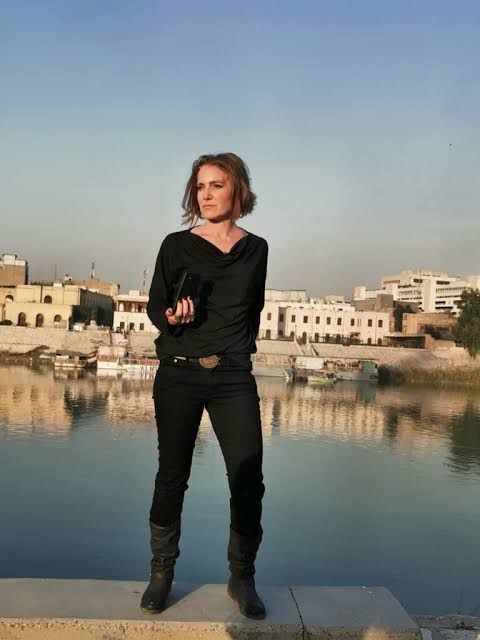
In war reporting, this distinction becomes apparent when a reporter’s on-the-ground testimony conflicts with the newsroom’s expectations. Damon explains that during her time at the network, she had a significant say in how her stories were prepared and broadcast.
“When there was a disagreement, I fought tooth and nail. I stand fully behind every story that bears my name.”
At CNN, which Damon misses, there was a work environment where reporters could defend what they saw on the ground and challenge the assumptions made at the newsroom.
“The reality on the ground isn’t always what you expect. The reporter’s assessment on the ground takes precedence over the newsroom’s expectations.”
THE RELATIONSHIP BETWEEN CORPORATE MANAGEMENT AND THE GOVERNMENT
To understand the transformation in the US media during Donald Trump’s second presidential term, one must examine not only this editorial relationship but also the relationship between corporate management and the political establishment.
Claire Day, the former London bureau chief at CBS with whom I worked from 2011 to 2017, pointed to Paramount’s decision to reach a settlement with Trump as a defining turning point for the organization when she answered my questions for Journo.
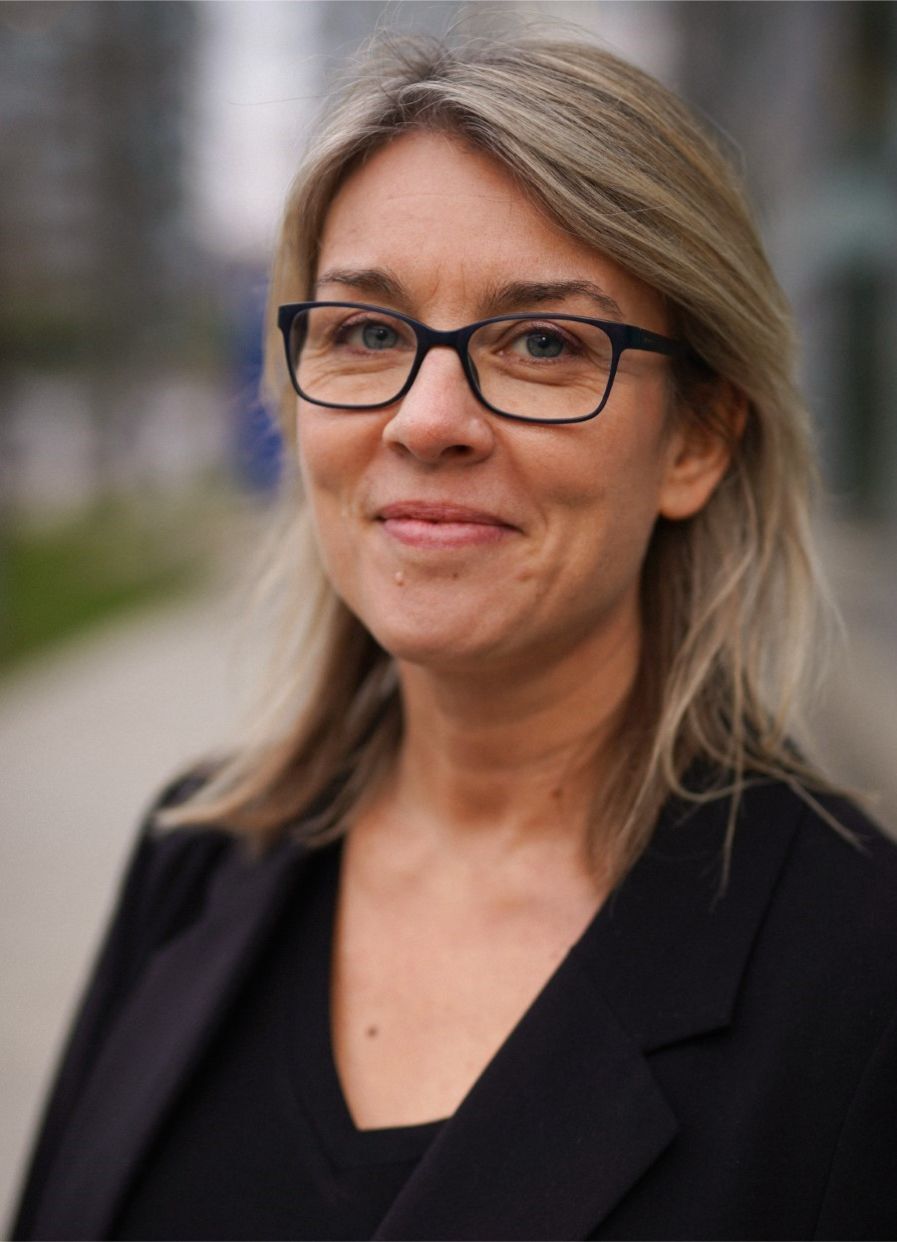
During his 2024 election campaign, Trump had objected to the editing of a “60 Minutes” interview with his rival, Kamala Harris. Paramount accepted a $16 million settlement in July 2025 to resolve the lawsuit.
According to Day, the company’s decision marked a breaking point in terms of the newsroom’s resolve to defend its broadcasts. She notes that the path of payment was chosen despite legal opinions stating the lawsuit was baseless. She believes that, along with a similar decision made by ABC, this has emboldened Trump’s attacks on the press.
Day raises the question of to what extent the organization will stand behind a reporter’s story and adds that, even if a reporter or editor defends a story, it is company management that decides whether to continue the legal battle.
In response to my question about her departure from CBS, Claire Day shared the official statement sent to employees by CBS News President Tom Cibrowski. The statement notes that an external news editorial department has been established to oversee all international broadcasts and that, as part of this transition, Day’s departure on May 1 was mutually agreed upon.
In the same message, Cibrowski praises Day—who joined CBS in 2002—for her role in covering major international events, her emphasis on the safety of field teams, and her support for courageous reporting.
Day’s description of the bureau chief role helps clarify which responsibilities have shifted under the changing management structure. The London bureau would begin monitoring and working on news stories while colleagues in New York were still asleep due to the time difference. The bureau chief would present these stories during editorial meetings and directly to the broadcast teams. With the growth of digital and social media, the need for coordination and editorial oversight had also increased.
“The bureau chief is the gateway to the international news department. They set the tone for editorial meetings and guide decisions and news proposals.”
According to Day, this role requires experience in various fields and the ability to understand the context of international developments. A reporter’s ability to defend their story is also linked to having an editor behind them who understands that context.
News coverage of Gaza has also emerged as a major point of tension in Day’s discussions with executives at other international news organizations. Day explains that this conflict is extremely polarizing, even for newsrooms accustomed to war reporting. He notes that staff members who do not normally participate in preparing foreign news stories have also voiced strong opinions regarding the coverage.
He sees the responsibility for safeguarding editorial independence primarily lying with top management.
“Editorial independence must be explicitly established by the news department’s top management and editors.”
The same executives are the ones who decide which reporters to hire and which editors will set the editorial line. In Day’s account, independence is directly linked to the authority over hiring and firing within the company.
‘FOREIGN NEWS’ WAS THE FIRST TO BE DOWNSIZED
At The Washington Post, the transformation became apparent with the downsizing of the foreign news network. The cuts announced in February 2026 affected approximately one-third of the newspaper’s staff. Foreign news was among the departments hardest hit. Management attributed the restructuring to financial problems and changing reader habits.
Kareem Fahim, the former Turkey bureau chief and Middle East correspondent whose contract was terminated in the layoffs, says the downsizing was expected, but its scale was surprising.
“Given the newspaper’s owner and publisher’s many stances—including openly aligning with the Trump administration—that drove subscribers away, the layoffs at the Post were, to some extent, expected. However, the scale of the layoffs was shocking.”
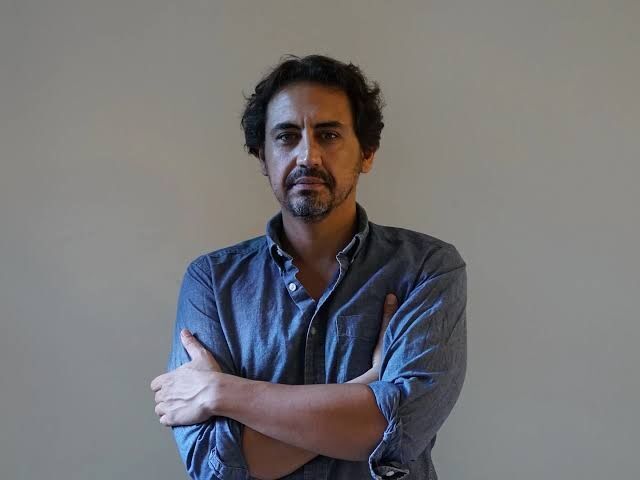
Fahim’s objection centers on which journalists management chose to let go.
“The newspaper management’s choices regarding whom to lay off were baffling. This included Middle East correspondents who were covering the wars in Lebanon and Gaza at the time and preparing for a potential U.S.-Israeli attack on Iran.”
This assessment raises the question of how shrinking foreign news budgets will affect readers. The loss of teams covering wars on the ground reduces the news organization’s capacity to produce its own firsthand accounts. The source relationships and regional knowledge built up over the years alongside the correspondent are also moving away from the newsroom.
Damon’s prioritization of the field reporter’s assessment intersects here with the contextual knowledge Day emphasized while describing the bureau chief’s responsibilities and Fahim’s objection to the cuts. All three explain that international journalism relies on a body of knowledge that goes beyond decisions made remotely by the newsroom.
Despite this, Day remains hopeful about the future of the profession. She cites the investigations, documentaries, and the work of fact-checking teams she has followed at major media organizations and independent outlets as examples. She also views experienced journalists mentoring new generations as part of this continuity.
“The presence of mentors at this level shows that good journalism will continue to be taught, learned, and passed on in the future.”
Amanpour’s farewell, Damon’s longing for CNN—which he says no longer exists—Day’s emphasis on editorial independence, and Fahim’s reaction to the layoffs all converge on the same concern. In American media, the working space for those who remain committed to journalistic ethics and the profession’s fundamental principles is steadily shrinking. The question of where journalists who insist on reporting the truth on the ground can continue to do so—in which institutions, with whose support, and with how much freedom—is growing.